
The Physical Economy Briefing, July 2026
Each month the Systemiq Capital team shares what it's seeing across the systems we invest in, on LinkedIn, on stages and in the field. This is the monthly recap, with the month's thinking gathered in one place. Follow the team for the running commentary; the originals are linked throughout.
The month in one line
The cost of knowing what's actually happening in physical systems, whether in supply chains, on farms or on the grid, is collapsing. The value is moving to whoever turns that knowledge into action.
Three curves that started in 2005
Irena Spazzapan marked twenty years in power markets with a piece of pattern recognition (read her post).
In 2005, a gas power plant everyone called the future was already the past. That same year, Tesla raised its Series B to build a sports car from thousands of laptop cells, and the founder of DeepMind closed his games studio to study the brain.
A car battery, a video game chip and a gas plant that didn't know the other two existed.
Three curves that went on to converge and fundamentally rewrite the energy system.
Her full argument, including two portfolio companies betting on where the convergence goes next, is in "Twenty years in power. Three curves. One convergence.", the anchor thesis of our Electrification pillar.
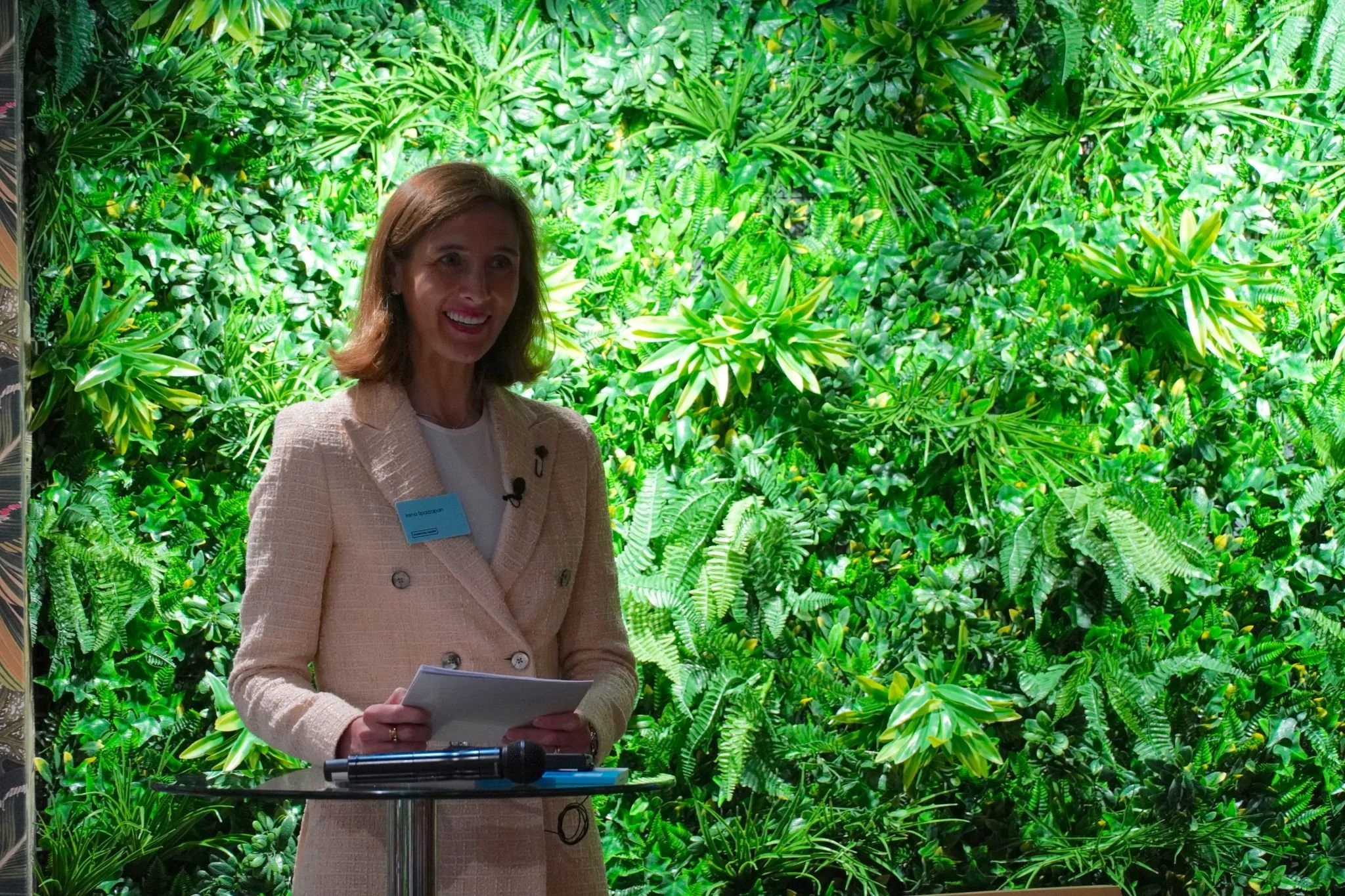
Irena Spazzapan during Systemiq Capital Annual Investor Meeting 2026
The grid is being hit from both ends
When the UK heatwave knocked out power to hundreds of homes, forced a hosepipe ban for 850,000 customers and cancelled 2,600 rail services in a day, Sie Yin Poh made the point on LinkedIn (read her post) that this is not a weather story. It is an infrastructure story.
The grid was designed around predictable, seasonal load. It now faces compressed cooling spikes on one side and relentless data centre and compute demand on the other, both competing for the same headroom. Trading, managing and flexibly using power under stress is the part of electrification that decides whether the rest of it works, and it is one of the core theses we invest behind.
Verification is becoming cheap, and that changes industrial standards
Everywhere something gets made, standards govern safety, sustainability and labour. The Testing, Inspection and Certification industry that checks them has always been a tax on compliance. George Darrah laid out on LinkedIn why that is changing (read his post).
AI-first verification is cutting the cost of demonstrating compliance so sharply that the economics of standards themselves shift: satellite and AI verification of real operations down to the individual plot, certification cycles compressed from twenty months to under three, trust that travels with a product instead of being re-checked by every buyer, and procurement teams able to interrogate hundreds of suppliers on criteria that were always there but too expensive to act on. When verifying compliance stops being expensive, regulators can write standards for outcomes rather than enforceability, and money moves from paperwork to operations.
In agriculture, sensing was never the point. Action is.
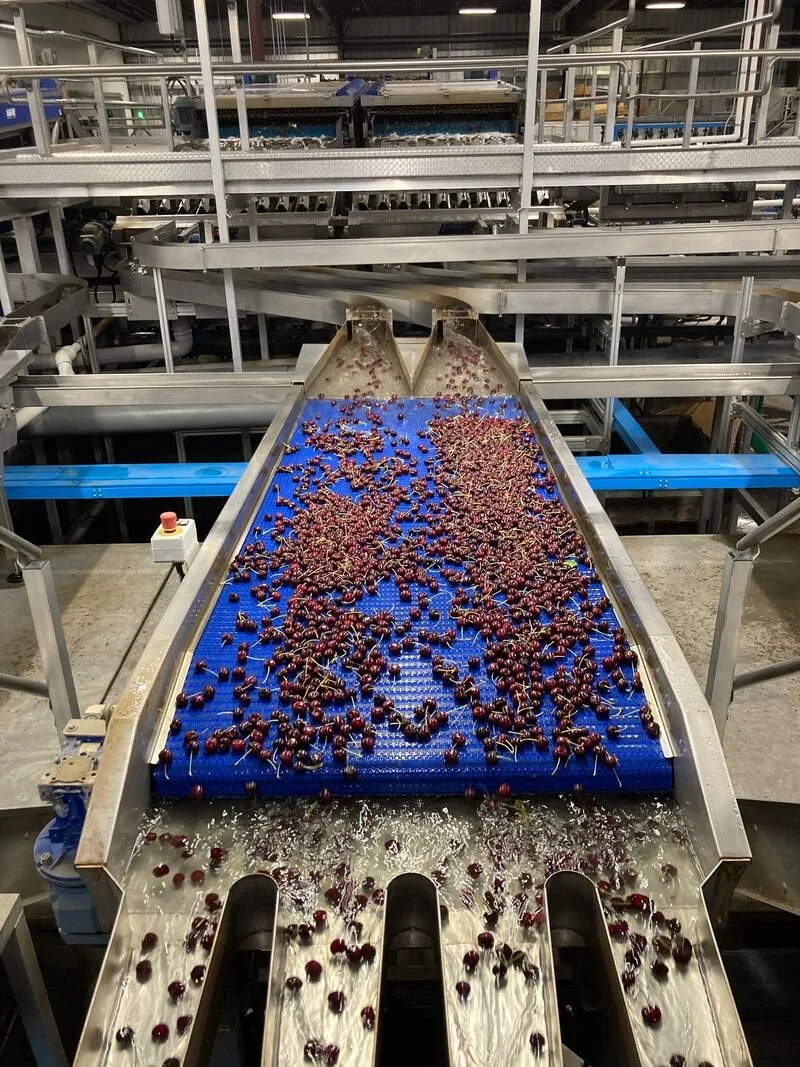
A second observation from George in his post: the sensor layer in agriculture is crowded, but almost nobody is building the infrastructure that takes that data, contextualises it, makes a recommendation and then executes it, like re-routing a day's fruit between export, retail and juice grades in real time as orders and prices shift. The value in agricultural intelligence sits in the action layer, not the data layer.
One year of Decoding Nature
Twelve months ago we published our Decoding Nature thesis, the anchor of one of our three investment pillars, and George marked the anniversary this month (read his LinkedIn post) by sharing what we mean by Decoding Nature after 12 months of extraordinary breakthroughs (here).
The idea: combining technology and nature to act on information we've never had before, transforming the production of food, materials and chemicals. The proof has compounded since. Basecamp Research announced a partnership with Anthropic to make its biodiversity-derived database accessible through natural language. Greeneye Technology posted a record quarter as farmers retrofit sprayers with computer-vision selective spraying, cutting herbicide use by up to 90%. Hoxton Farms launched a programmable bioreactor with closed-loop operations trained on its proprietary data. And InnerPlant, whose crops communicate their needs directly to farmers, is on track to grow sales more than tenfold this year.
The next wave we're watching: founders decoding nature in robotics, supply chains and environmental pollution.
Also this month
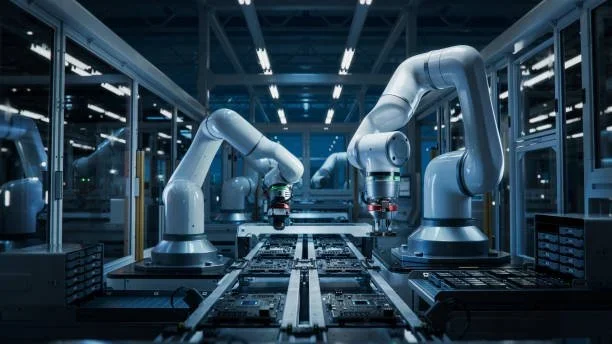
Sie Yin published "The last mile problem in Physical AI" on why simulation alone can't close the four gaps between the lab and the factory floor: what a camera sees versus what a simulator renders, how objects behave on contact, what a scene means in context, and the edge cases nobody thought to simulate. Read the full article, and her post about it.
Systemiq Capital is a venture capital firm backing audacious founders redefining the physical economy, building category-defining companies in systems we understand deeply. The firm invests at Series A +/– across the UK, Europe and the US, focused on Electrification, Decoding Nature and Applied AI.